Understanding the Nature of Toddler Tantrums
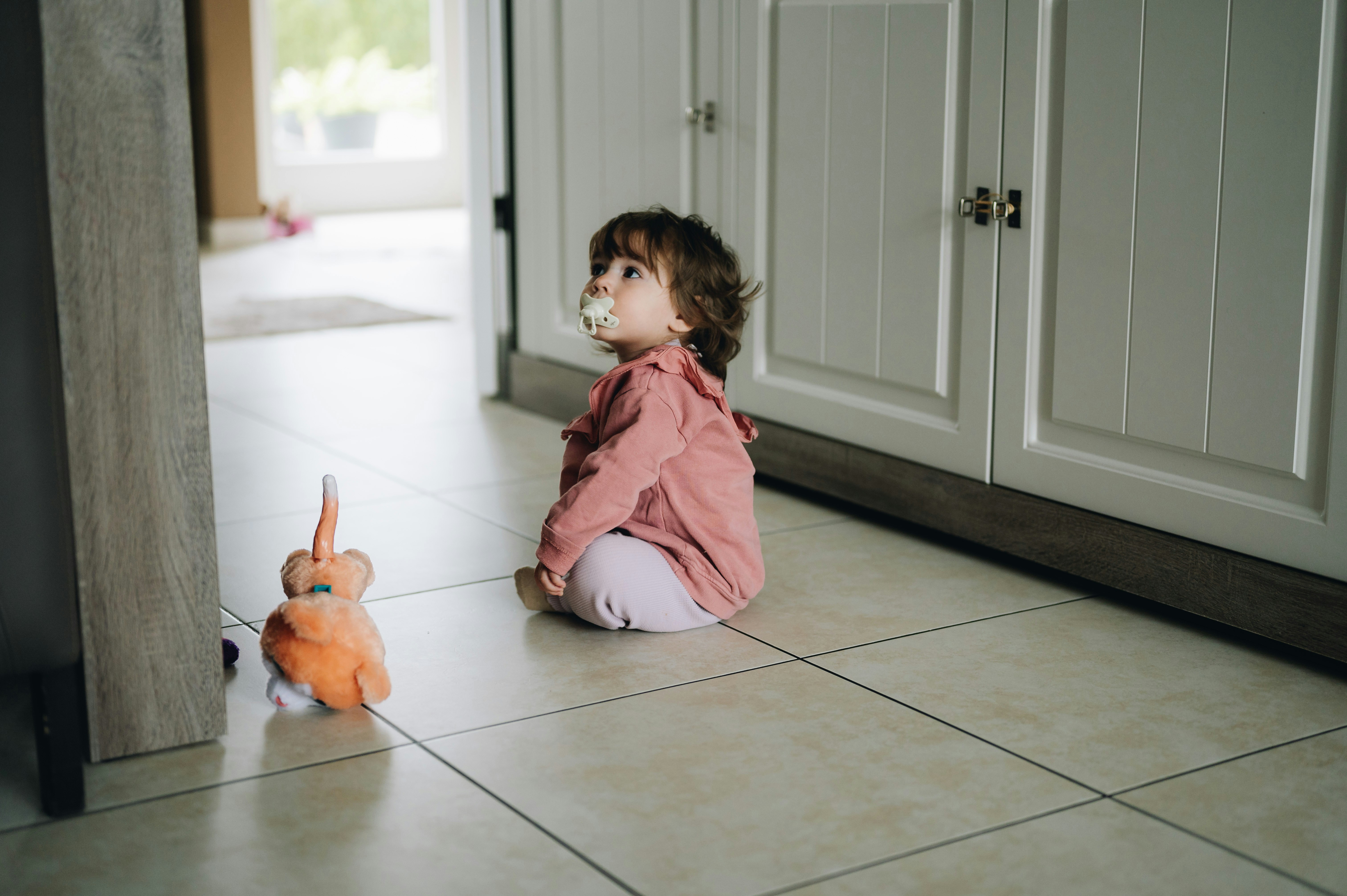
Toddler tantrums are a common occurrence in early childhood and can arise from various developmental factors. A primary reason for these outbursts is often linked to a toddler’s frustration with their communication skills. Children at this age typically have limited vocabulary and struggle to express their needs or emotions effectively. When their attempts at communication are met with misunderstandings or a lack of responsiveness, they may resort to tantrums as a means of expressing their dissatisfaction or need for attention.
Additionally, toddlers are in a critical stage of emotional development where they learn to navigate and regulate their feelings. This often leads to overwhelming emotions, especially in response to situations perceived as unfair or confusing. For instance, a simple request, such as sharing a toy or adhering to a parent’s instruction, can provoke strong reactions due to a toddler’s developmental impulse to assert independence. Such conflicts illustrate the importance of understanding that tantrums are not merely unruly behavior but rather a developmental milestone demonstrating a child’s emotional struggles.
Another significant influence on tantrums is changes in routine. Toddlers thrive on predictability and may react negatively to disruptions, such as changes in their environment, schedules, or caregivers. The stress associated with transitions can elicit distress leading to a tantrum. It is crucial for parents to recognize these triggers and adjust their expectations accordingly. By acknowledging that tantrums are a normal facet of toddler development, parents can better prepare for and respond to these challenging moments with a more empathetic and supportive approach.
Effective Strategies for Managing Temper Tantrums
Responding to temper tantrums in toddlers requires a thoughtful and effective approach. One of the most crucial strategies is to remain calm during the outburst. By maintaining composure, caregivers can model the behavior they wish to see in their children, demonstrating how to manage emotions effectively. When a caregiver projects calmness, it can sometimes help to de-escalate the situation, allowing the child to feel more secure.
Validation of the toddler’s feelings is another integral strategy. When children express their frustrations, acknowledging their feelings can make a tremendous difference. Statements like “I can see you are upset” or “It’s okay to feel angry” can help children understand that their feelings are recognized and validated, thereby aiding them in processing these emotions.
Setting clear boundaries is essential for effective tantrum management. Children need to understand what behaviors are acceptable and which are not. Consistently enforcing these boundaries creates a sense of safety and predictability. Parents should communicate these limits while remaining empathetic to their child’s feelings, explaining why certain actions may be inappropriate.
Offering choices can serve as an effective tool for reducing tantrums. When toddlers feel they have some control over their circumstances, they are less likely to resort to outbursts. For instance, allowing a child to choose between two snack options or two activities can help redirect their energy and focus away from the source of frustration.
Consistency in responses to tantrums is key. Repetition of the same techniques and strategies ensures that toddlers receive a clear understanding of how their behavior is managed. Over time, this consistency helps teach children appropriate ways to express their emotions, fostering emotional intelligence and resilience. By addressing tantrums with patience and understanding, caregivers can significantly improve their child’s ability to cope with frustration.
The Role of Bribing and Its Risks
Bribing, in the context of parenting, refers to offering children rewards or incentives to influence their behavior, especially in managing situations like tantrums. It often manifests in scenarios where a parent may give a child a sweet treat or a toy in an attempt to stop a crying episode or to encourage compliance. For instance, a parent may say, “If you stop crying, we can have ice cream,” or “I’ll buy you that toy if you behave in the store.” While these tactics may provide immediate relief from conflict, they come with a range of implications.
One of the primary risks associated with bribing as a strategy for handling tantrums is the potential for fostering reliance on rewards. When children learn that tantrums can yield treats or toys, they may begin to associate these outbursts with positive reinforcement. Over time, this can weaken their ability to cope with disappointment and frustration independently. Consequently, children may develop a pattern of demanding rewards for compliance, leading to an increased frequency of tantrums when they anticipate that rewards are not forthcoming.
Another significant concern is that using bribing may undermine efforts to teach self-regulation. By resorting to rewards, parents might unintentionally send the message that emotional struggles and behavioral issues can be solved through external incentives rather than through developing internal coping mechanisms. This approach could hinder a child’s ability to learn how to navigate complex emotions and manage their responses effectively.
Moreover, the frequent use of bribing in attempts to pacify tantrums might lead to more frequent episodes in the future. If children realize that tantrums result in getting what they want, they may escalate their behavior to obtain rewards, further complicating the parent-child dynamic. Understanding the risks associated with this method is crucial for parents aiming to guide their children toward healthier emotional responses and behavior management strategies.
Alternatives to Bribing: Positive Reinforcement Methods
When dealing with temper tantrums in toddlers, it is essential to adopt strategies that promote positive behavior without resorting to bribes. One effective approach is positive reinforcement, which involves acknowledging and rewarding desirable behaviors instead of merely attempting to pacify through temporary incentives.
A fundamental method in positive reinforcement is praise. When a child exhibits good behavior, immediate and specific praise can significantly reinforce that behavior. For instance, stating, “I love how you shared your toys with your friend,” instills a sense of pride and encourages repetition of that desired behavior. This technique not only rewards the behavior but also communicates expectations clearly, helping the child to understand what actions are valued.
Additionally, establishing a reward system can be beneficial in fostering cooperation. Such a system may include charts or tokens that children can accumulate over time for demonstrating positive behaviors, like listening to instructions or helping with chores. Once they meet specific goals, these accumulated rewards can be exchanged for meaningful acknowledgments such as a special outing or additional playtime. This method serves as an excellent way to motivate toddlers without involving monetary incentives or immediate bribes.
Moreover, modeling desirable behavior is another crucial aspect. Parents and caregivers should consistently demonstrate the behaviors they wish to see. For example, showing patience during challenging situations allows children to learn effective coping strategies through observation. This modeling approach reinforces the importance of emotional regulation and provides a positive framework for toddlers to emulate.
Creating a balanced environment, where cooperation and understanding are prioritized over negative reinforcement, is vital. When toddlers see that their efforts to behave well are recognized and appreciated, they are more inclined to continue those behaviors positively. Encouraging teamwork within the family not only helps to alleviate tantrums but also strengthens emotional connections among family members.